FROM THE FIELD / 01
Planning a winter event
on 800 years of history.
Preparing for winter at Torre Abbey: buried archaeology, a no-dig approach and the creative thinking behind a carefully planned event.
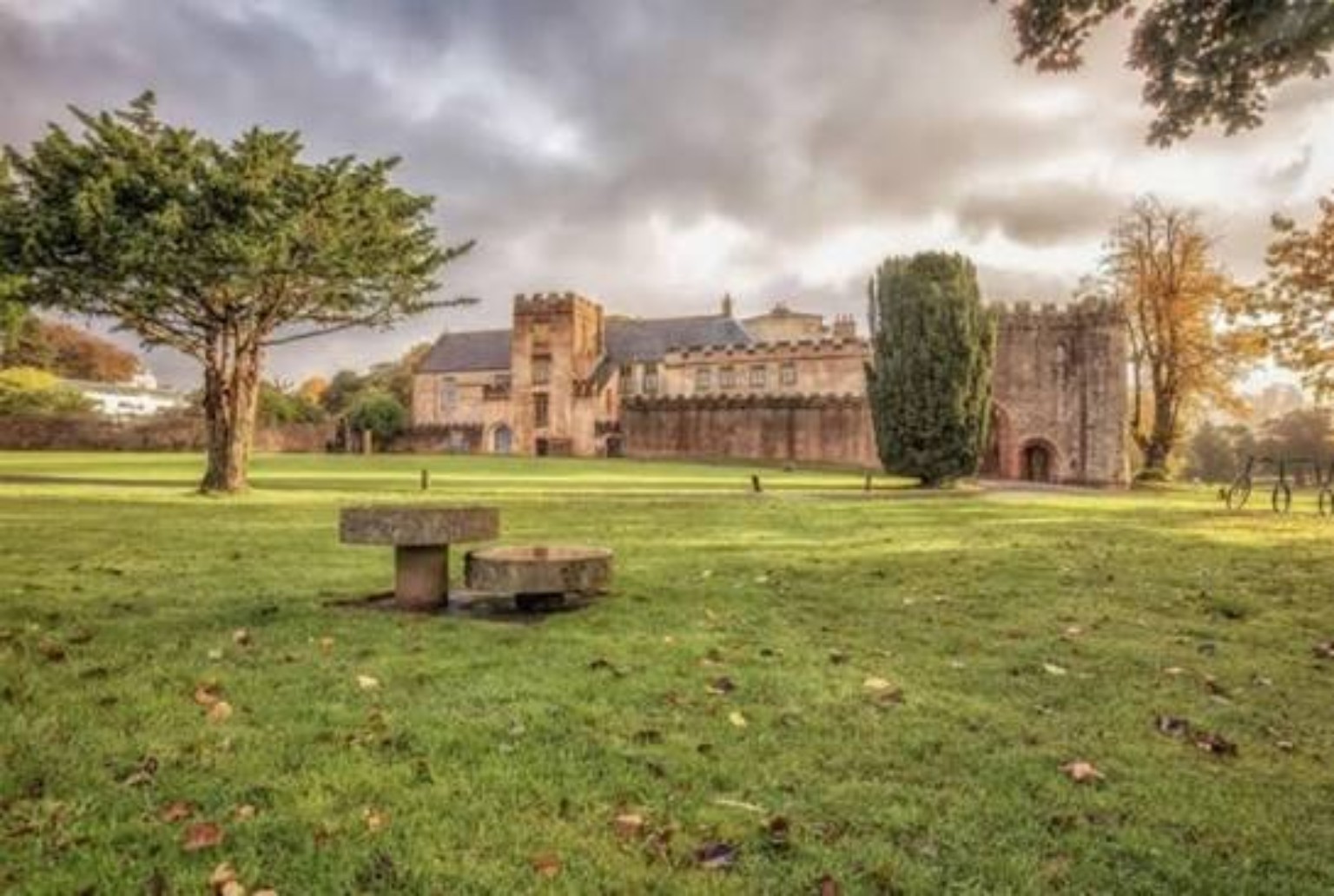
There is something special about preparing an event in the grounds of Torre Abbey. It is a place with a strong identity, an impressive setting and centuries of stories. Bringing people together there comes with a responsibility to understand and protect what makes it special.
As part of the team preparing for our winter events, I’m spending time on the practical questions behind the visitor experience: how we bring infrastructure onto the site, position it safely, provide services and eventually remove everything with care.
Beneath our feet
At Torre Abbey, some of the most important considerations are beneath our feet.
Founded in 1196, the Abbey and Spanish Barn are Grade I listed. The wider archaeological site is also a Scheduled Monument of national importance, encompassing standing and buried remains. Historic England’s records describe medieval building foundations and elements of the Abbey’s historic water-management systems beneath parts of the grounds.
An open area of grass can therefore have a much more complicated story underneath it. Understanding that story helps shape the event layout and the methods we consider from the outset.
Working with a no-dig approach changes familiar event-planning decisions. Securing a temporary structure, routing a cable or positioning equipment all require careful thought. The Abbey’s published event conditions restrict disturbance to the grounds and require authorisation and supervision for any pegging.
That brings a different set of questions into conversations with contractors. How can a structure be secured without ground penetration? Where can ballast be placed, and what loads will it introduce? How can services be routed above ground while maintaining safe, accessible routes? Which delivery arrangements will protect the site and give contractors enough room to work?
Each answer affects something else. A change to a structure’s position can alter the cable route, pedestrian space, delivery access or ground-protection requirements. Getting those discussions started early gives everyone more time to find workable solutions.
Winter adds another layer
Wet ground, wind, shorter daylight hours and changing conditions all influence the build and removal programme. Ground protection needs to be considered alongside vehicle movements, equipment loads and the length of time installations will remain in place. Routes need to work for contractors during the build and for visitors once the event opens.
It makes coordination between the Torre Abbey team, Council colleagues, contractors and heritage specialists particularly important. Historic England has a key role in advising on scheduled monuments and administering the Scheduled Monument Consent process. Establishing the relevant requirements early helps shape proposals and the methods used to deliver them.
Finding the creative solution together
This is a part of event planning I particularly enjoy: bringing different areas of knowledge together and working through the detail.
Contractors bring technical experience. The venue team understands the daily operation and sensitivities of the site. Heritage specialists help us understand what needs protecting. Event planning connects those considerations with the experience we want people to have.
The constraints also encourage creativity. They prompt us to explore different layouts, installation methods and ways of providing infrastructure. There is a useful connection with sustainability here too: considering reusable systems, reducing unnecessary materials and planning deliveries efficiently can support both responsible event delivery and care for the site.
For me, a successful winter event should give visitors a reason to enjoy Torre Abbey while respecting the history that makes it such a distinctive place.
MORE FROM THE SITE, SOON
Follow the progress.
Over the coming weeks, I’ll share updates as preparations progress and showcase some of the creative ways we’re working within this historic site. I’ll look at the practical challenges, the solutions developed with the wider team and the learning we can take into future events.
I’d be interested to hear from others planning events in historic settings. What has been your most interesting challenge to work through?
Heritage references
Background sources for the site’s heritage designations and event requirements, checked for this article on 1 November 2026.
A personal reflection on my contribution within the wider event team. Views are my own.